

NPC AI at a Glance
NPC AI in GTA 6 is the system that makes Leonida's people react, remember, and report, rather than simply filling streets.
Preview coverage describes non-player characters following routines, triggering random events, reacting to drawn weapons, and acting as witnesses who can call police and describe what they saw.
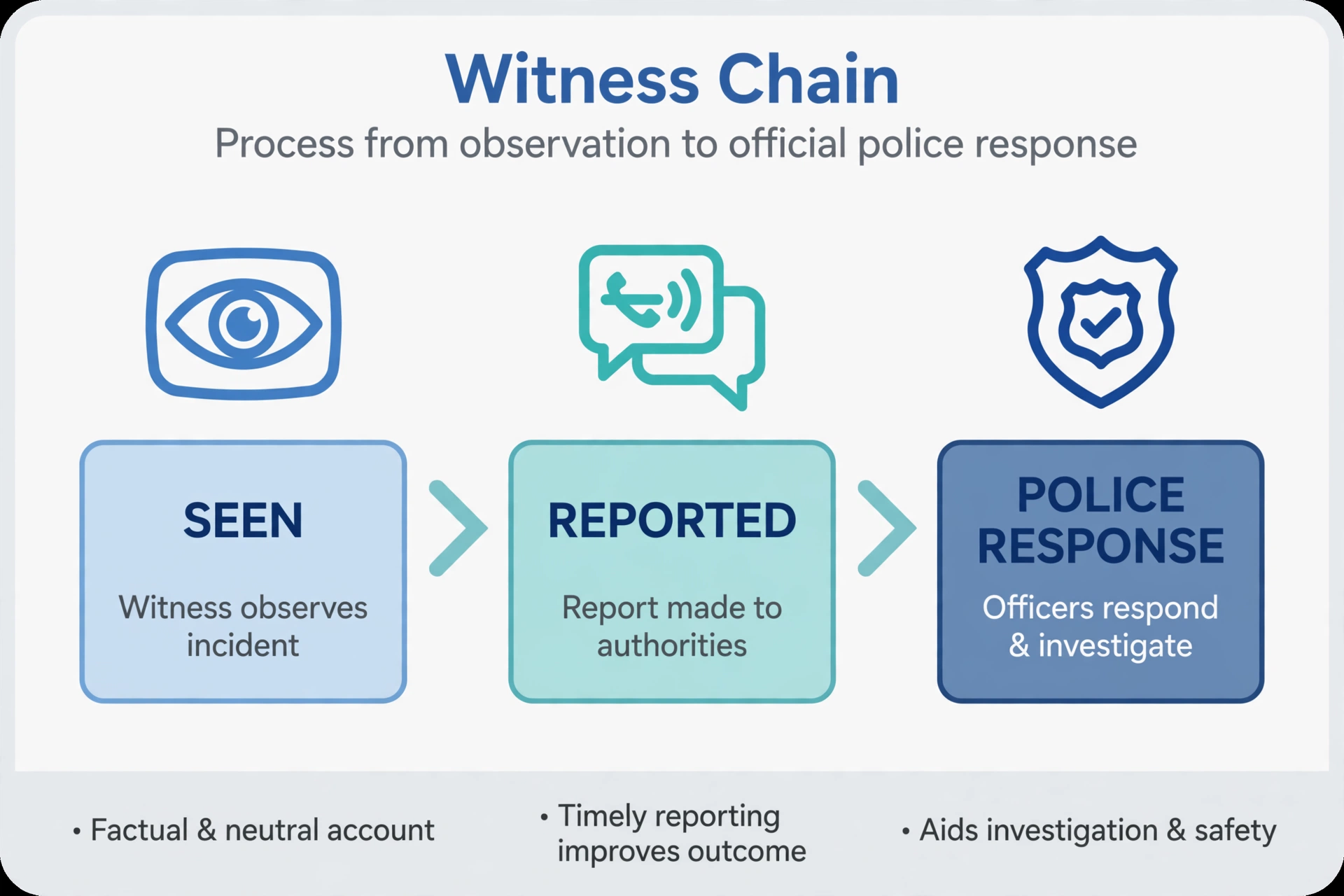
That witness idea is central. Police in GTA 6 are reported not to be automatically omniscient. A crime must be seen, reported, or recorded before a full response builds.
NPC AI is therefore not just background detail. It shapes stealth, evasion, clothing choices, and vehicle choices, because what people see becomes what police know.
Key Takeaways
- NPCs are reported to follow routines and trigger random events and street encounters.
- Witnesses are reported to call police, describe vehicles, and react differently by crime severity.
- CCTV is reported as part of how police learn about crimes, alongside witnesses.
- Carrying a weapon openly is reported to alarm bystanders, even without aiming it.
- NPCs are reported to react differently to a weapon held versus a weapon carried on the back.
- Police are reported to build a description from appearance, clothing, weapon, partner, and CCTV evidence.
- No NPC counts, schedules, reaction times, or coverage maps are confirmed.
1. What NPC AI Means in GTA 6
NPC AI is a broad term for how computer-controlled people behave when you are not directly interacting with them. In GTA 6, preview coverage suggests that behaviour is deeper than in GTA 5.
People are reported to have routines: going to work, visiting places, reacting to weather, and responding to events around them. That makes streets feel less like loops and more like a living city.
Random events and street encounters are also reported. Those include people needing help, animal encounters, and other unscripted moments that arise from routines colliding with the player.
The key point is that NPC behaviour is not only visual. It feeds crime, police, and story systems, which is why it deserves its own article rather than a passing mention.

2. Routines and a Living World
Preview coverage of the Extended Look describes a denser, more open world, with buildings fully rendered and enterable, including apartments, clubs, and rooftop bars.
Inside that world, NPCs are reported to follow their own routines. That means a street at morning, noon, and night may feel different, not because of a scripted mission, but because people are doing different things.
High NPC density in enterable buildings is also reported. A crowded interior is not just a backdrop. It is a place where many witnesses, reactions, and encounters can happen at once.
No source checked gives a routine schedule, a population count, or a density figure by region. Those numbers, if they appear in speculation, should not be treated as confirmed.
3. Witnesses: How Crimes Get Reported
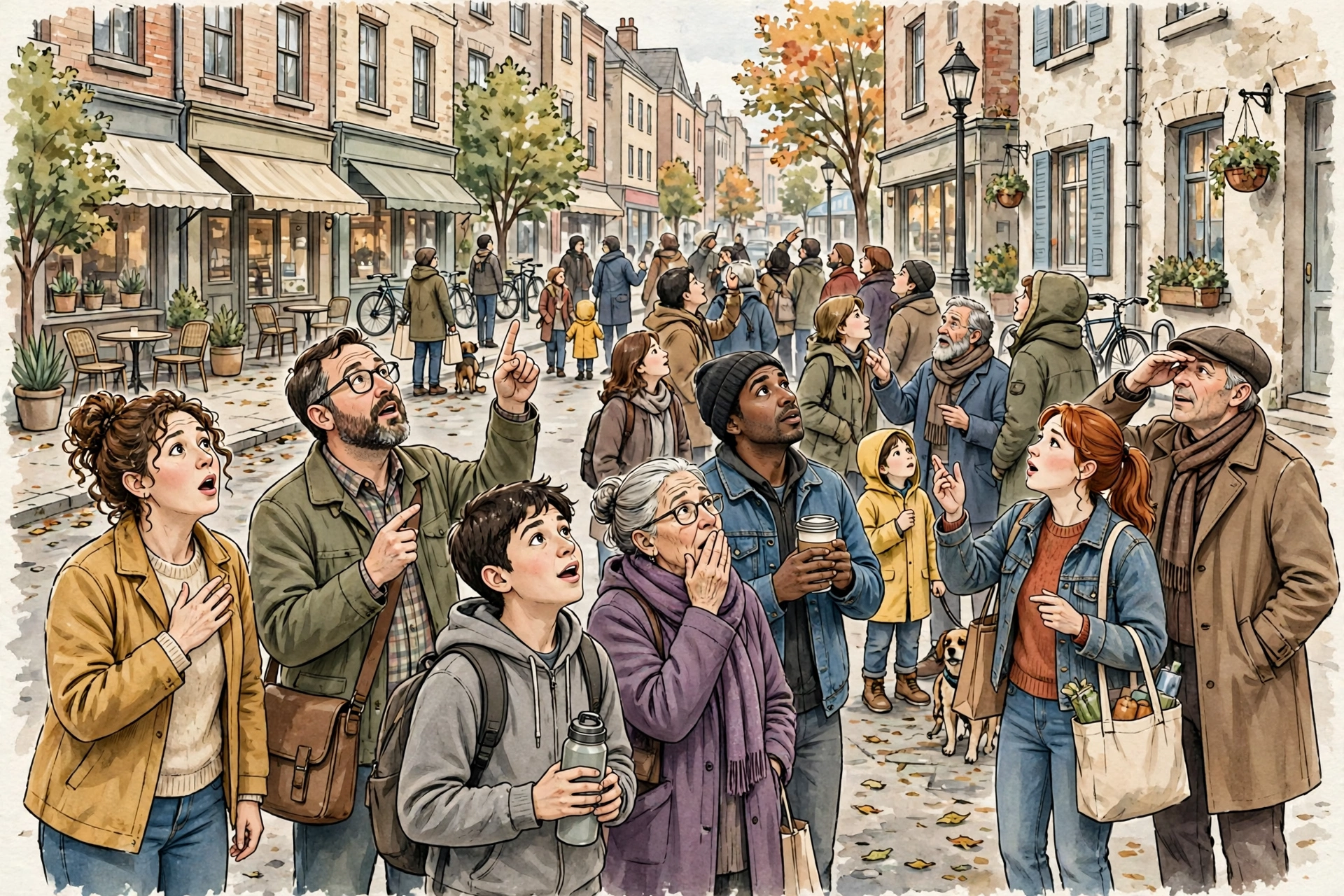
The witness system is the most important NPC AI change reported for GTA 6. Crimes are reported to need witnesses, CCTV, or other evidence before police build a full response.
Witnesses are reported to call police, describe the player's vehicle, and react differently based on crime severity. A minor offence and a violent robbery should not produce the same witness reaction, according to that coverage.
That changes stealth planning. A crime with no witness, no CCTV, and no clear description is harder for police to act on than the same crime in a crowded, well-covered street.
It also changes timing. A witness call takes time, and police response is reported to be delayed and more realistic, rather than instant and omniscient. That delay is a window for escape, but it is not a guarantee.
4. CCTV and Recorded Evidence
CCTV is reported as a second source of police knowledge, alongside witnesses. A crime recorded on camera can feed the police description even if no person directly reports it.
Preview coverage lists CCTV recording as one of the description parts police can know, alongside appearance, clothing, weapon, and whether the player was with a partner.
That makes camera placement a planning factor. A quiet street with no cameras is different from a shop, bank, or busy junction with cameras, even if both streets look empty.
No CCTV coverage map is confirmed in the sources checked. Players should learn camera locations by observation at launch, rather than trusting a speculative map.

5. Reactions to Weapons and Threats
NPC reactions to weapons are reported in detail. Carrying a shotgun openly can alarm passers-by, even if the player never aims it, according to preview summaries.
NPCs are also reported to respond differently depending on whether a weapon is held or carried on the back. A held weapon is a threat signal. A carried weapon is less immediate, but still visible.
Preview coverage also notes that Jason or Lucia may automatically hide a weapon when entering a populated area. That automatic behaviour, if it holds at launch, shows how seriously the game treats weapon visibility.
Suppression fire is reported as another reaction tool. Firing near targets can disorient and frighten police or civilians, which can help non-lethal escapes, but it also creates witnesses and noise.

6. Interactions: Talking, Pets, and Reputation
Preview coverage describes an interaction system drawn from Red Dead Redemption 2. Holding a context button brings up options for talking to characters, and that system is reported to extend to pets.
Players can scold, pet, or study dogs, according to Extended Look coverage, and those choices are reported to feed into reputation. That suggests small interactions have consequences beyond a single conversation.
Binoculars are also reported as a tool for spying on NPCs from a distance, which fits a world where observation matters for planning and for learning routines.
No reputation scoring system is confirmed in the sources checked. Whether pet interactions, conversations, and street encounters build a single reputation score, separate relationship scores, or only local reactions is not settled.
7. NPC AI and Police Evasion
NPC AI and police evasion are inseparable in GTA 6, according to preview coverage. Evasion is no longer only about outrunning a wanted star level. It is about breaking the description police hold.
Changing clothes, dropping an identifiable weapon, or separating from a partner can remove parts of that description, according to preview accounts. Each action targets a specific piece of police knowledge.
That is why trunk storage, clothing changes, and vehicle swaps matter. They are not separate systems. They are tools for changing what witnesses and cameras can describe.
A player who changes clothes but keeps the same distinctive car, or who drops a weapon but keeps the same partner beside them, may still match enough of the description to be found.
8. Animals, Traffic, and World Reactions
Animals are part of the wider world AI, not just scenery. Preview coverage mentions wildlife, animal encounters, and reactions to the player, which suggests animals have their own behaviour rules.
Traffic is also reported to react to crime, chases, and player behaviour, though no traffic AI manual is given in the sources checked. Drivers fleeing, stopping, or reporting theft are all mentioned in vehicle-related preview coverage.
Weather and dynamic events are reported as world systems that affect NPC behaviour as well. Hurricanes, flooding, and storms are mentioned in some summaries, but their exact effect on NPC routines is not confirmed here.
The overall picture is a world that reacts, rather than a world that resets. That reaction is the point of the AI work, even if its exact rules are not yet published.
9. What Is Still Not Confirmed
Many NPC AI details remain unconfirmed. No source checked gives NPC population counts, routine timetables, witness call times, CCTV locations, or reputation formulas.
It is also unconfirmed how NPC AI differs by region. A Vice City crowd, a rural town, and a swamp community may behave differently, but no regional AI breakdown is confirmed.
Difficulty and accessibility settings may also affect NPC reactions, but no source checked gives a settings list tied to NPC AI. Aim assist, reaction speed, and witness strictness may be adjustable, or they may be fixed.
Until launch testing maps these systems, treat NPC AI as a well-reported direction with unfinished details, not as a finished manual.
Frequently Asked Questions
How does NPC AI work in GTA 6?
Preview coverage describes NPCs following routines, reacting to weapons and crime, acting as witnesses, and feeding police descriptions through what they see and report, alongside CCTV.
Do NPCs call the police in GTA 6?
Yes, according to preview coverage. Witnesses are reported to call police, describe vehicles, and react differently based on crime severity.
What is CCTV in GTA 6?
CCTV is reported as recorded evidence that can feed a police description, even without a direct witness report. No coverage map is confirmed.
Do NPCs react to weapons in GTA 6?
Yes, according to preview coverage. Carrying a large weapon openly can alarm bystanders, and reactions differ for held versus carried weapons.
Can changing clothes help evade police?
Yes, according to preview coverage. Changing clothes can remove part of the police description, especially when combined with dropping a weapon or changing vehicles.
Do NPCs have routines in GTA 6?
Yes, according to preview coverage. NPCs are reported to follow routines, trigger random events, and populate enterable buildings, but no schedule is confirmed.
Can I interact with NPCs and pets?
Extended Look coverage reports interaction options for talking to characters and for scolding, petting, or studying dogs, with choices feeding reputation, but no scoring system is confirmed.
Are police instantly aware of crimes in GTA 6?
No, according to preview coverage. Police are reported not to be omniscient, with delayed, more realistic responses tied to witnesses and evidence.
How many NPCs are in GTA 6?
No population count is confirmed in the sources checked, and no figure is given here.
Is NPC AI confirmed by Rockstar?
It is preview-reported from Rockstar demonstrations and Extended Look coverage, not a published Rockstar AI specification checked here. Core ideas are well reported; exact rules are unconfirmed.
Final Verdict
NPC AI makes GTA 6's world watch you back. Witnesses, cameras, routines, and reactions turn every crime into a description that police can chase, not just a star level to outrun.
Play with that in mind. Choose quiet locations, manage weapon visibility, change clothes and vehicles after a job, and remember that a crowd is both atmosphere and evidence.
Wait for launch testing for schedules, coverage maps, and reputation rules. The witness idea is clear, but the fine AI rules are not yet confirmed.